
The Erasmus+ KA210-SCH NextGen project, dedicated to students from the Classical Studies and Human Sciences programmes, has offered a valuable opportunity to discover new cultures, share educational experiences and strengthen European cooperation through three international mobilities in Türkiye, Poland and Germany.
The project coordinator is Cristina Galli, who worked alongside teachers Elisabetta Maccioni, Sara Munno and Angela Viero. The student participants were Anna Mancioli, Diletta Fedi, Margherita Fiesoli, Flavia Ginetti, Rachele Monsurrò, Matilde Signorini, Lucrezia Urbano and Rita Vivarelli.
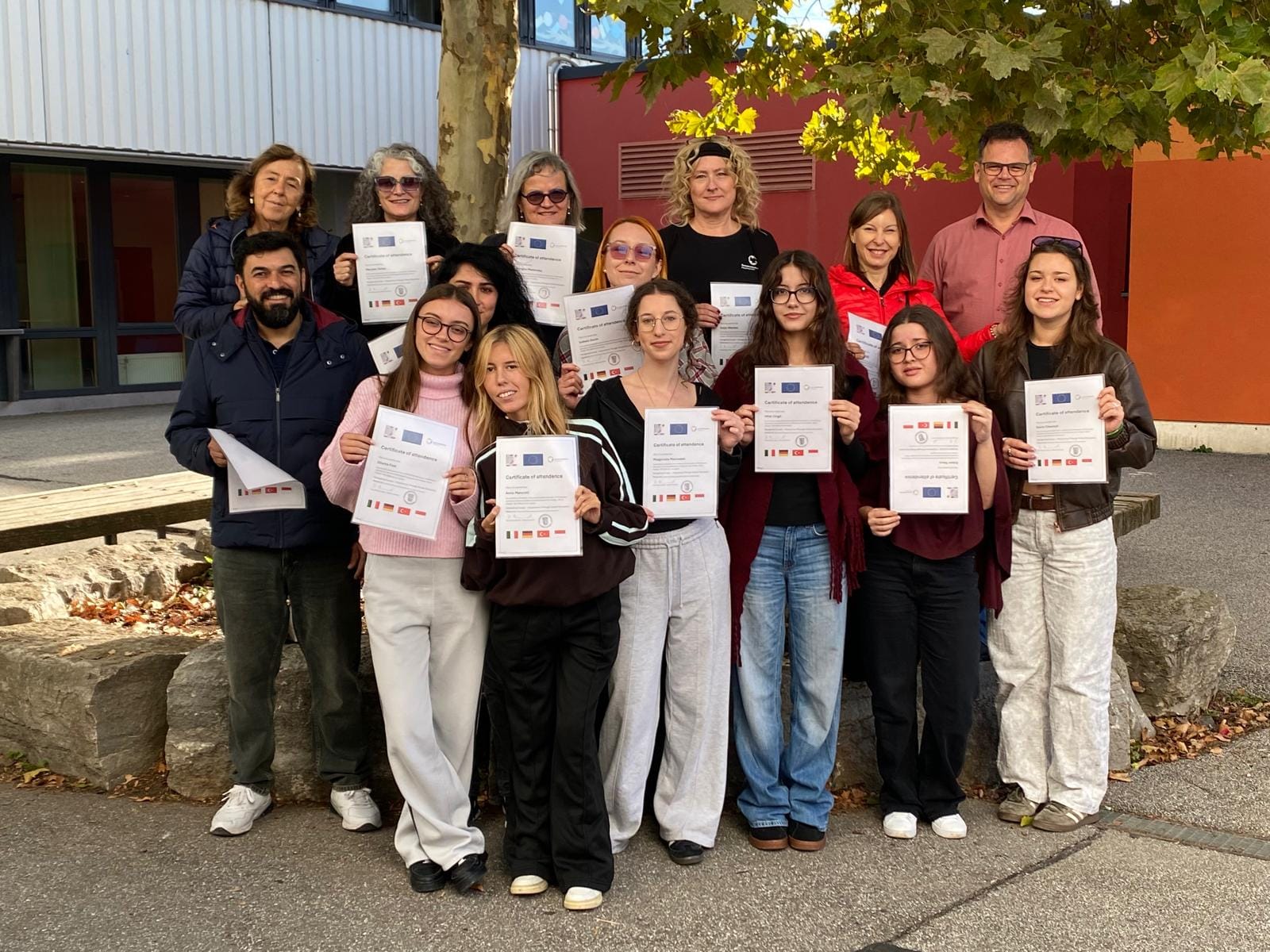 Each mobility combined educational activities with cultural visits, allowing participants to explore European history, appreciate cultural diversity and develop a stronger sense of European identity.
Ankara and Cappadocia, Türkiye – October 2025
The first mobility took place in Ankara, Türkiye, in October 2025. This international meeting was an important opportunity for students and teachers to meet their European partners, exchange ideas and work together on the objectives of the NextGen project.
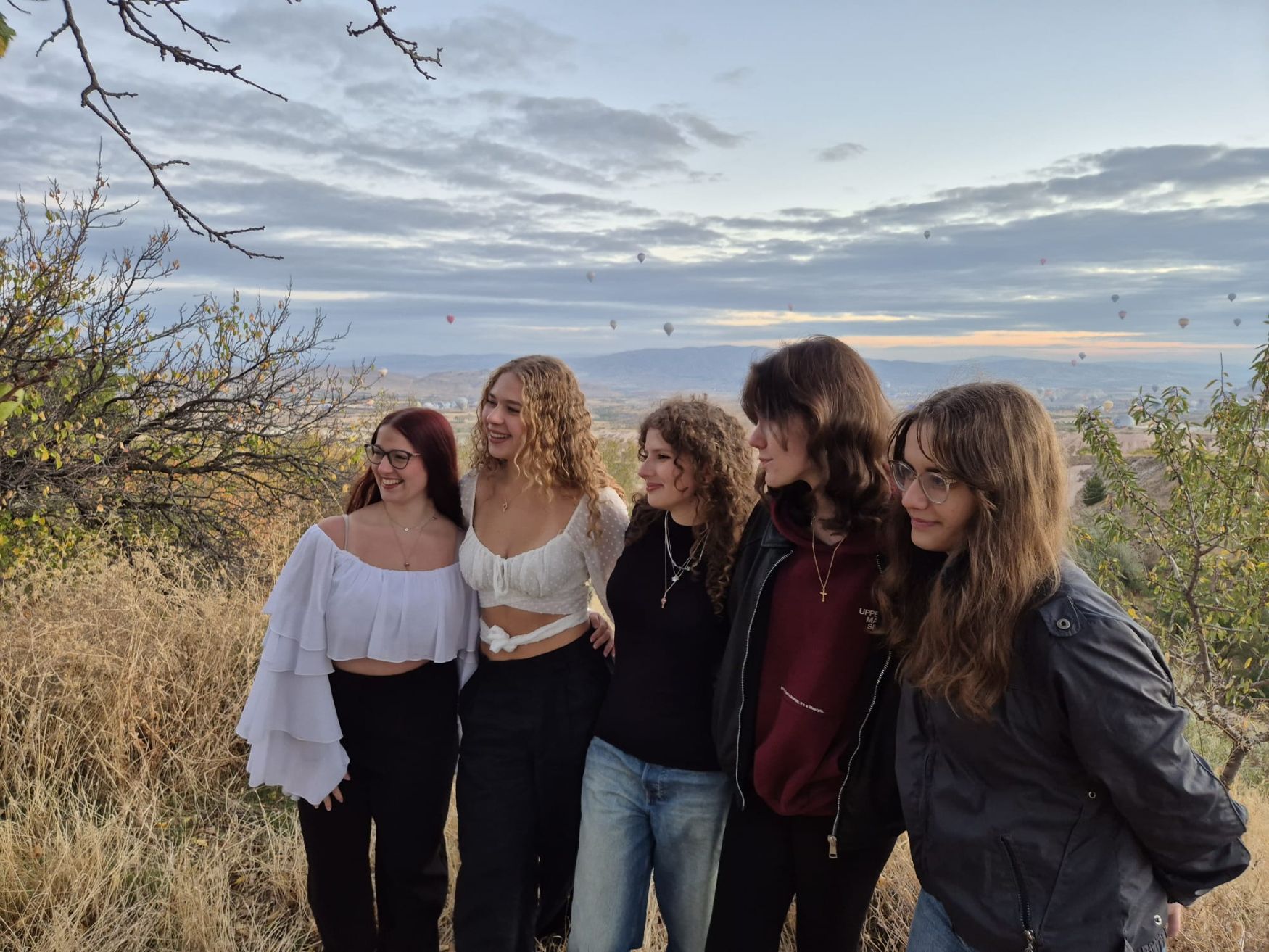
Alongside the educational activities, participants had the chance to discover Turkish culture and traditions. A guided visit to Cappadocia, one of Türkiye’s most fascinating regions, made the experience even more memorable. Famous for its extraordinary rock formations, fairy chimneys and unique landscapes, Cappadocia offered participants a remarkable insight into the region’s natural and historical heritage.
This first experience helped build friendships, encourage intercultural dialogue and lay the foundations for future cooperation among the partner schools.
Warsaw and Lublin, Poland – March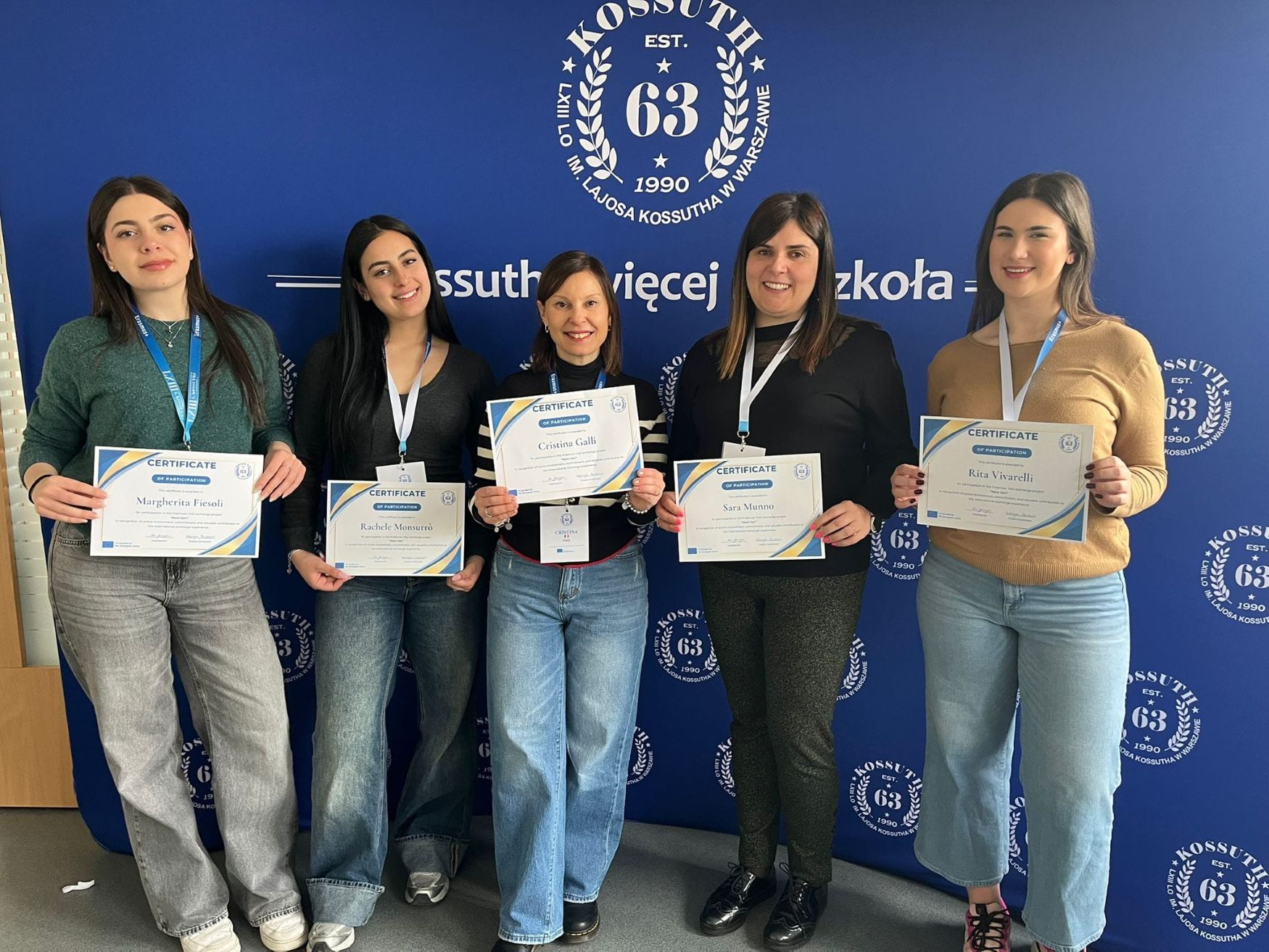 2026
The second mobility took place in Warsaw and Lublin, Poland, in March 2026. The programme provided further opportunities for students and teachers to collaborate, share perspectives and learn about Poland’s rich cultural heritage and complex history.
In Warsaw, participants explored the capital’s history and its remarkable ability to rebuild and preserve its identity after the devastation of the Second World War.
A particularly meaningful moment was the visit to the State Museum at Majdanek, the former Nazi German concentration and extermination camp located in Lublin. This visit offered a powerful opportunity to reflect on the Holocaust, the persecution and murder of millions of people during the Second World War, and the importance of preserving historical memory.
The experience encouraged participants to reflect on the values at the heart of the European project: peace, freedom, respect for human rights and solidarity. It also highlighted the importance of education in combating discrimination and preventing intolerance.
Pliezhausen, Germany – October 2026
The third mobility took place in Pliezhausen, Germany, in October 2026, bringing the international learning journey to another important stage. Students and teachers continued their collaboration, strengthening the relationships established during the previous meetings and sharing their experiences within the NextGen project.
The programme also included guided visits to some of the region’s most interesting destinations. Participants discovered Lichtenstein Castle, a spectacular castle perched on a rocky cliff and overlooking the surrounding countryside. Its romantic architecture and historical atmosphere offered a fascinating glimpse into Germany’s cultural heritage.
The group also visited Tübingen, a charming university town known for its picturesque old town, historic buildings and lively academic atmosphere, and Reutlingen, a city combining historical landmarks with modern urban life.
These visits allowed participants to discover different aspects of German history, architecture and everyday culture while experiencing the richness and diversity of the region.
Three Mobilities, One European Experience
The three NextGen mobilities have represented much more than opportunities to travel abroad. They have created meaningful spaces for learning, dialogue, cultural discovery and personal growth.
From the extraordinary landscapes of Cappadocia to the historical memory of Majdanek and the cultural treasures of Baden-Württemberg, each destination has contributed to a broader understanding of Europe and its diversity.
Through international cooperation, shared activities and direct contact with different cultures, the participating students and teachers have strengthened their communication skills, developed their intercultural awareness and deepened their understanding of common European values.
 For students from the Classical Studies and Human Sciences programmes, these experiences have also provided an opportunity to connect classroom learning with real-life contexts, exploring history, culture, society and human rights through direct experience.
Erasmus+ NextGen demonstrates that education goes beyond classroom walls. Thanks to the commitment of the project coordinator, the participating teachers and the students, the project has helped build lasting connections across Europe and promote a generation of responsible, open-minded and active European citizens.
These experiences will remain an important part of our school community, reminding us that, despite our different languages and traditions, we share the same commitment to learning, cooperation, peace and a better future for Europe.
0